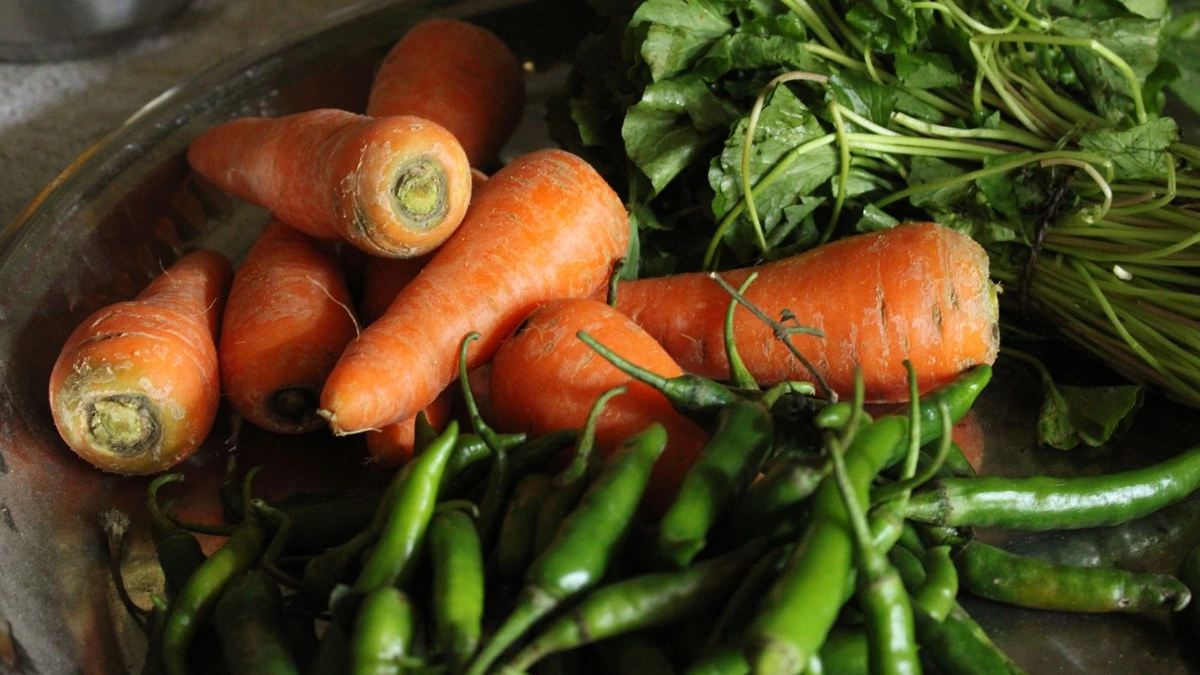
"Food is medicine" is the umbrella term for programs that connect healthcare - prescriptions, insurance, clinics - with food access, most commonly through produce prescription programs that provide fruits and vegetables to patients at risk of diet-related conditions. This page describes how these programs work and what the research says, without making health claims of its own.
How produce prescription programs typically work
A healthcare provider identifies a patient, often one with or at risk of a diet-related condition such as type 2 diabetes or cardiovascular disease, and prescribes a defined amount of produce rather than (or alongside) medication. In the programs studied, participants have typically received an average of about $63 per month in produce benefits over a period of roughly four to ten months, redeemable at participating grocers, markets or directly through a food bank or clinic partner.
What the research shows so far
A Tufts University-led pooled analysis of nine U.S. produce prescription programs, published in 2023, found participants increased fruit and vegetable consumption (by roughly 0.85 cups per day for adults and 0.26 cups for children on average) and showed improvements in food security, blood pressure, body mass index and blood sugar measures. A separate pilot study in Australia focused on people with type 2 diabetes reported similar promise and high participant acceptance.
Where the evidence is still limited
Researchers behind this work have been explicit about its limits. The Tufts study's lead author noted there is still much to learn about which program designs work best, how long programs need to run, and what happens to patient outcomes after a program ends. Much of the current evidence comes from pooled observational data across different program designs rather than large randomized controlled trials; researchers in Australia and elsewhere have specifically called for randomized trial data before drawing firm conclusions about clinical benefit or cost-effectiveness. Separate claims about large healthcare cost savings from food-is-medicine programs come from economic modeling studies, not from directly observed spending reductions, and should be read as projections rather than measured results.
Where urban farms fit in
Urban farms can be a direct produce source for these programs, particularly in cities where a local farm or network already has distribution relationships with clinics or food banks. This is a potential role, not a documented outcome specific to any urban farm covered on this site - readers researching a specific local program should ask the program directly where its produce is sourced from.
How to read "food is medicine" claims
Treat specific claims about disease prevention or treatment with the same scrutiny as any other health claim: ask whether it is based on a named, peer-reviewed study or a general appeal to "research shows," and whether the study measured an actual clinical outcome or only self-reported behavior change. This site does not make clinical recommendations and is not a substitute for advice from a qualified healthcare provider.