"Farming as a Service" describes a managed urban farm model: instead of a school, hospital, housing developer or city operating a growing site itself, a specialized operator designs, builds and maintains it under contract. This page explains how that model generally works and what to weigh before entering one - it is informational, not a service offering.
Who uses managed urban farms
Common clients for this model include K-12 schools adding an outdoor classroom, hospitals and senior living campuses adding therapeutic or wellness gardens, corporate campuses adding employee gardens, and housing developments adding shared growing space as an amenity. Each setting has different goals (education, patient and staff wellbeing, resident amenity) that shape what gets grown and how the space is designed.
What the service typically covers
- Site assessment and design (soil testing, sun exposure, raised beds vs. in-ground vs. container growing).
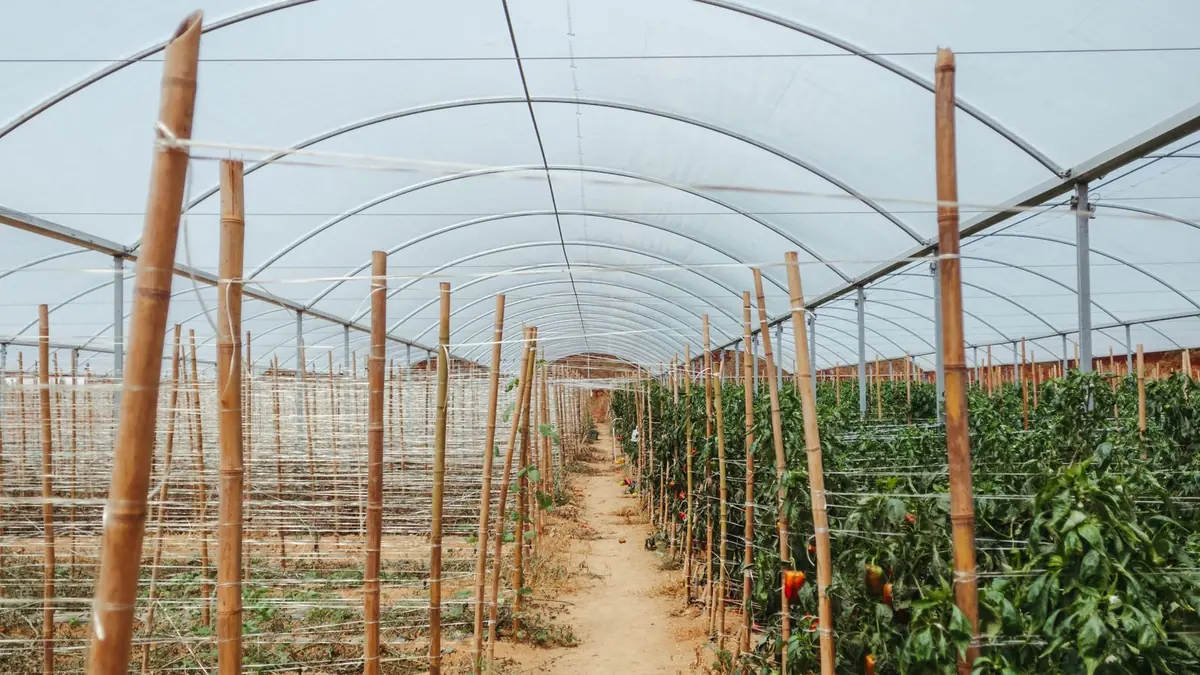
- Installation of beds, irrigation and any structures (hoop houses, greenhouses).
- Ongoing maintenance: planting, pest management, harvest.
- Programming, where relevant - volunteer days, classroom curriculum tie-ins, or staff wellness sessions.
Cost factors
Costs vary widely by scale and site condition rather than following a fixed formula. Factors that typically drive cost include whether the site needs soil remediation, whether structures like greenhouses or hoop houses are included, irrigation infrastructure, and whether ongoing maintenance is bundled into the contract or billed separately. Organizations considering this model should ask for an itemized quote that separates one-time installation costs from recurring maintenance fees, since the two can be easy to conflate in a single headline number.
Trade-offs to weigh
A managed model removes the burden of in-house expertise and daily upkeep, which matters for institutions without staff time for gardening. The trade-off is less direct control and typically a higher ongoing cost than a fully volunteer-run garden, plus dependency on the contracted operator's continued availability. Institutions with strong existing volunteer interest (parent groups, resident committees) may get more value from a lighter-touch consulting arrangement than a fully managed service.
The grant-funded alternative to a managed contract
Some institutions that would otherwise consider a managed contract are themselves eligible to apply directly for USDA funding instead. USDA's Office of Urban Agriculture and Innovative Production runs Planning Project and Implementation Project grants open to groups working on food access, education and new growing sites, with a 2024 funding round adding $5.2 million across 17 new grants nationally; see urban farm funding for the fuller breakdown. A school district or hospital system with grant-writing capacity in-house may find that route cheaper over several years than a managed contract, at the cost of taking on the reporting obligations that come with public grant funding. A managed operator can sometimes apply for this funding on an institution's behalf as part of its contract, which is a question worth asking a prospective vendor directly rather than assuming either way.
Related reading
For a broader look at how growing sites connect to each other once built, see urban farm networks; for real examples across different settings, see urban farm examples.