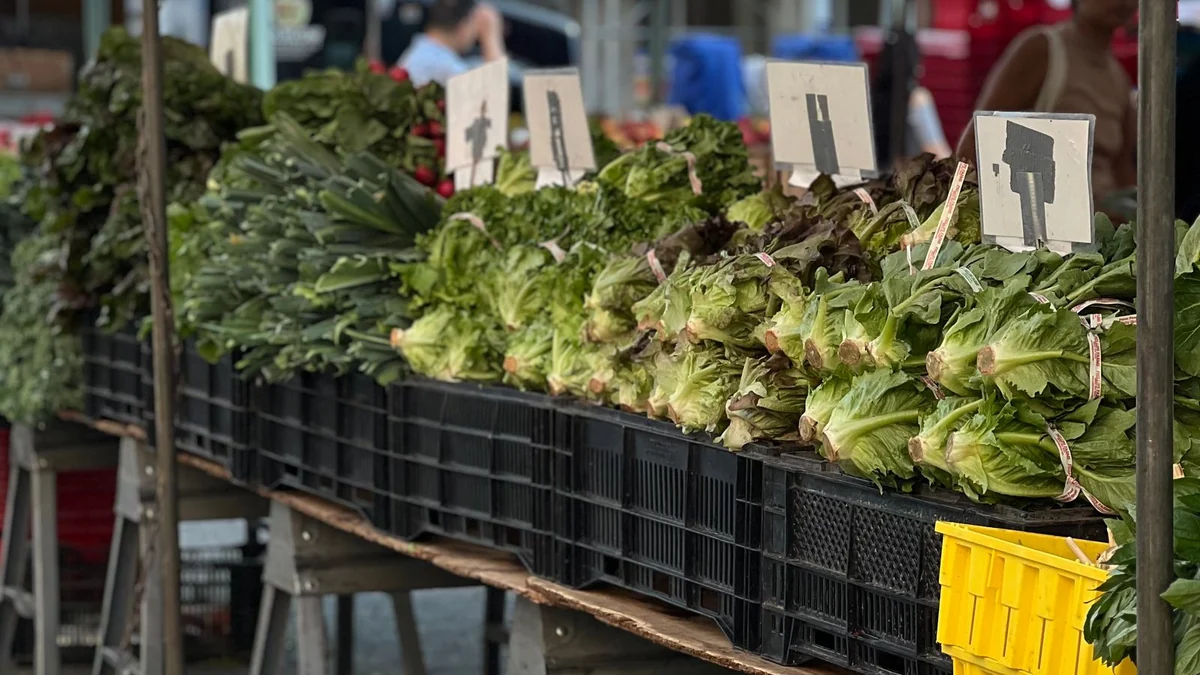
Access to fresh produce depends on more than whether a farm exists nearby - retailers and dietitians both play a role in whether fresh food actually reaches people and gets used. This page looks at that side of the food-access picture.
What retailers can do beyond stocking shelves
Grocery retailers in underserved areas sometimes go beyond simply carrying produce: partnering with produce prescription or discount programs (see food as medicine), hosting in-store nutrition education, or adjusting store layout and pricing to make fresh items more visible and accessible relative to processed alternatives. Kroger, for example, announced its Zero Hunger | Zero Waste plan in September 2017, committing a $10 million internal innovation fund toward programs aimed at food insecurity and food waste in the communities it serves; the company later said it would work with outside partners, including the Rockefeller Foundation and the American Heart Association, toward a larger national "food as medicine" research effort. Because Kroger is describing its own program and funding commitment, that scale should be read as the retailer's own account of its initiative, not independent verification of its results. The effectiveness of any single retailer tactic depends heavily on the specific store, community and pricing involved; there is no universal formula.
The role of registered dietitians
Registered dietitians (credentialed as RD or RDN) working in community, retail or healthcare settings often serve as a bridge between clinical nutrition guidance and practical, everyday food choices - helping translate a general recommendation ("eat more vegetables") into something workable for a specific budget, household and set of food preferences. Since January 1, 2024, the Commission on Dietetic Registration has required a master's degree, not just a bachelor's, before a candidate can sit for the RDN credentialing exam, on top of accredited supervised practice and a passing score on CDR's national exam; a bachelor's-only path remained open only for candidates whose paperwork was already submitted to CDR by the end of 2023. This translation work matters because general dietary guidelines do not automatically account for cost, cooking time, cultural food preferences or access constraints.
Barriers beyond availability
- Cost - fresh produce can cost more per calorie than processed alternatives, a real constraint for budget-limited households regardless of what's on the shelf.
- Time and skills - fresh produce often requires more preparation time and cooking knowledge than ready-to-eat processed food.
- Transportation - even with a nearby store, getting groceries home without a car is a real constraint in many neighborhoods.
How community partnerships help
Partnerships between urban farms, retailers, healthcare systems and dietitians can address more than one of these barriers at once - for example, a farm supplying a retailer directly cuts distribution costs that might otherwise raise shelf prices, while an on-site dietitian or educator addresses the skills and familiarity barrier alongside availability. No single partnership model fits every community; see food deserts and urban farming for a broader look at what urban farming realistically can and cannot address on its own.