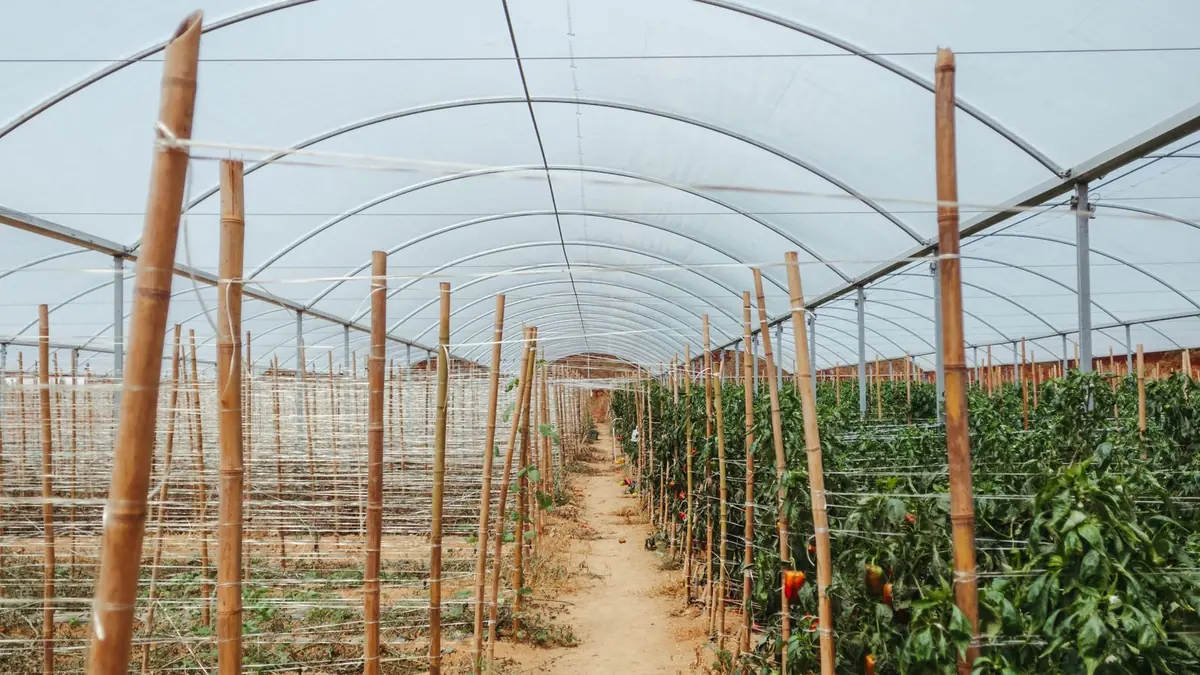
Urban farming careers cover a wider range of roles than "farmer" alone - growing operations need management, sales, education and community coordination as much as hands in the soil. This page is a general overview of the field, without reference to any specific company's staff or hiring.
Common roles on an urban farm
- Farm manager / grower - oversees day-to-day growing decisions, crop planning and, on larger operations, staff supervision.
- Production or harvest staff - hands-on planting, maintenance and harvest work, often entry-level and frequently seasonal.
- Sales and distribution - managing relationships with farmers markets, restaurants, grocers or subscription (CSA) customers.
- Education and community engagement - particularly relevant for nonprofit and school-affiliated farms, running volunteer days and classroom programming.
- Operations and business management - on larger or Farming-as-a-Service operations (see Farming as a Service), budgeting, compliance and client relationships.
Skills and training
Formal agricultural degrees help for larger operations but are not strictly required for most entry-level and even management roles at the urban-farm scale; many practitioners come from horticulture programs, apprenticeships, or hands-on volunteer and internship experience. Business and nonprofit-management skills matter as much as growing knowledge for farm managers running an operation with staff, budgets or grant compliance obligations.
Cooperative Extension offices, created under the Smith-Lever Act of 1914 to connect land-grant university research with practical application, are both a common employer of agricultural educators and a source of free, local training for people entering the field, including county Master Gardener programs that train community volunteers rather than paid staff. Large horticulture trade events can also double as an informal hiring and networking venue; see Cultivate and other horticulture trade shows for what one of the larger industry gatherings covers.
What affects pay
Pay in this field varies widely by role, region, and whether the employer is a nonprofit, for-profit commercial farm, or a Farming-as-a-Service contractor. The U.S. Bureau of Labor Statistics put the median annual wage for the broad "agricultural workers" occupational category at $35,980 as of its May 2024 estimate, published in its Occupational Outlook Handbook; that figure covers production and harvest roles nationally across all of agriculture, not urban farming specifically, and excludes self-employed growers. Nonprofit and seasonal production roles generally pay less than commercial operations or management positions; geography matters too, since urban farming compensation in a high-cost city differs substantially from a smaller metro area. There is no single "urban farming salary" figure that applies broadly across this range of roles and employer types.
Finding opportunities
Local food policy councils, urban farm networks (see urban farm networks) and extension offices are often better sources for current job openings than general job boards, since urban farming roles are a niche category many broader platforms don't categorize well.